
by In-Situ staff
Across the country, lake managers are seeing more frequent harmful algal blooms, lower dissolved oxygen levels, and nutrient-driven water quality declines. These challenges create the need for new management strategies that require more frequent data validation than traditional grab sampling can offer. To respond effectively, utilities and watershed districts are turning to continuous water quality monitoring to generate reliable datasets and real-time visibility.
The case studies that follow show how continuous monitoring helped two US management teams identify trends, evaluate treatments, and optimize their lake management strategies.
Front Range reservoir: real-time alerts improve efficiency for drinking water utility
A drinking water utility on Colorado’s Front Range faced recurring harmful algal blooms that affected reservoir operations each summer. During bloom periods, operators often shifted to groundwater sources to avoid taste and odor issues. Biweekly grab samples did not provide the timely information needed to manage aeration efficiently or understand changing conditions.
In 2023, the utility partnered with Dr. Andrew Skibo of Amaruq Environmental Services to install In-Situ’s Aqua TROLL 500s sensors at multiple depths, with data delivered through VuLink and accessed in HydroVu.
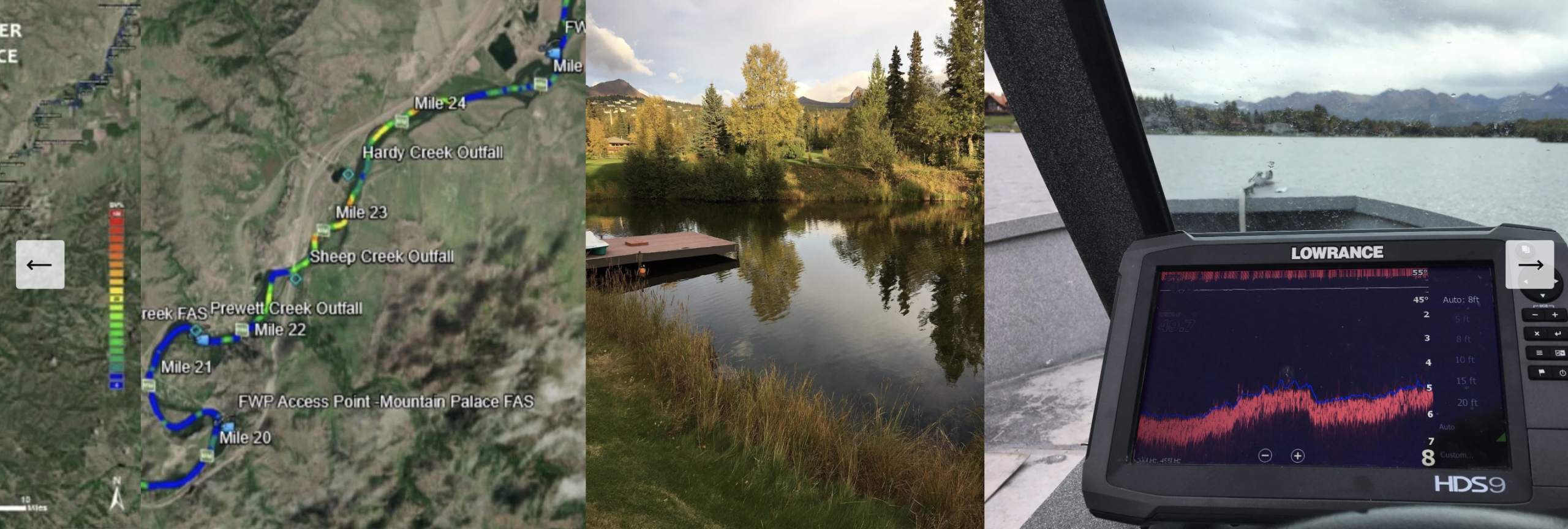
Amaruq provides continuous data to track algae growth in real time.
The continuous data immediately changed operations. The sensors detected algae growth at depth even when the surface appeared clear, and dissolved oxygen alerts helped operators adjust aeration more precisely by running fewer units and activating additional pods only when needed.
The improved visibility supported a phosphorus mitigation program launched in 2024, enabling the utility to use reservoir water later into the season and reduce its reliance on groundwater.
Tadd Lake: continuous data validates nanobubble treatment
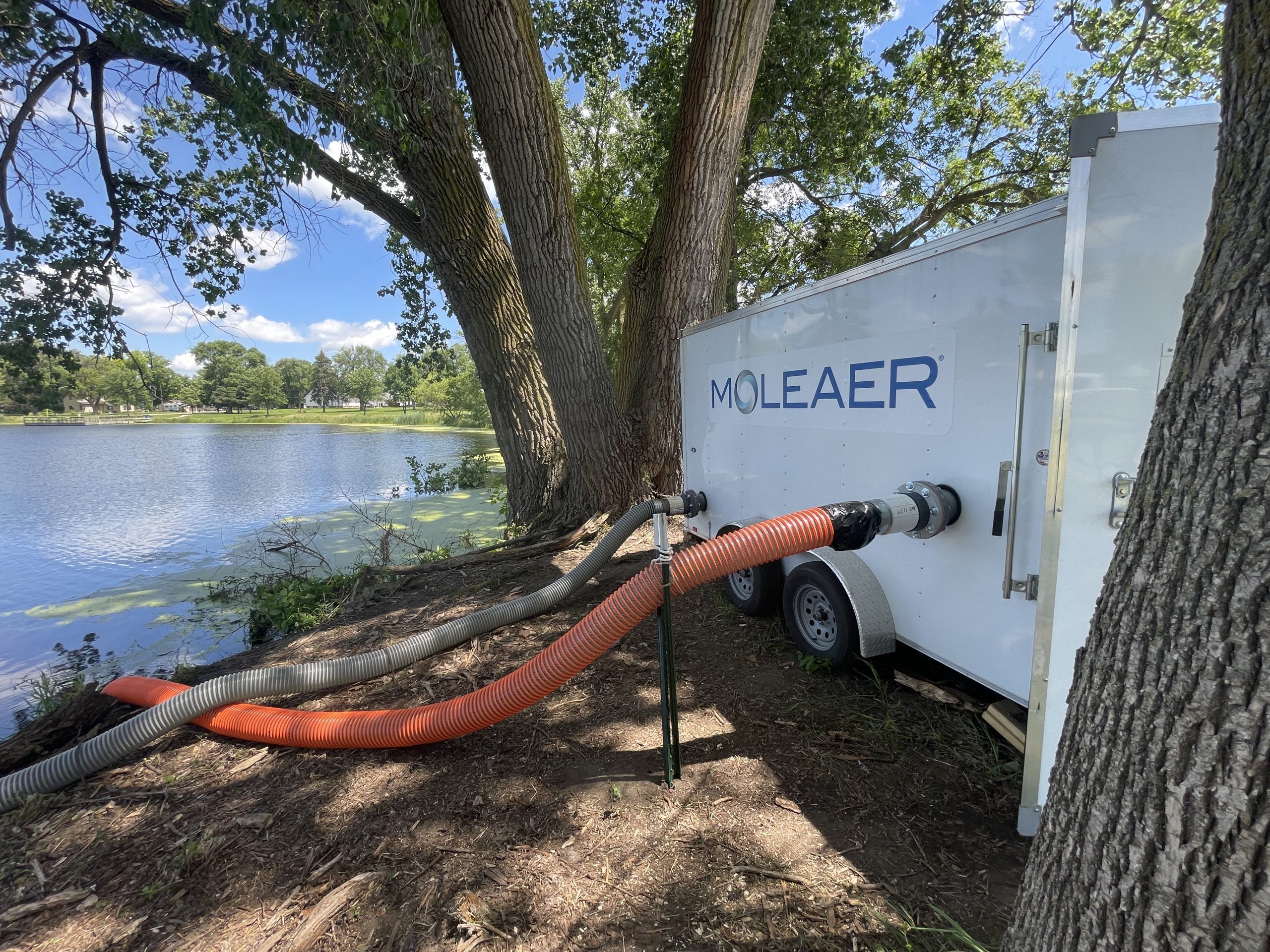
Moleaer nanobubble generator oxygenates water on Tadd Lake shoreline.
Tadd Lake, near Atwater, MN, has long struggled with algal blooms and internal phosphorus loading. To test a chemical-free approach, the Middle Fork Crow River Watershed District partnered with Moleaer to pilot a nanobubble treatment.
To track the lake’s response, the team deployed In-Situ Rugged Buoys equipped with Aqua TROLL 800 multiparameter sondes and RDO Blue sensors at two depths in both Tadd Lake, the treatment site, and Upper Lake, the control. Data were transmitted through VuLink and reviewed in HydroVu.
From July to October 2024, continuous data showed a marked increase in dissolved oxygen near the sediment water interface in Tadd Lake. During the same period, Upper Lake experienced a prolonged algal bloom that did not occur in Tadd Lake, despite the lakes being connected.
“It did not impact Tadd Lake at all,” a Moleaer team member said. “Seeing those differences unfold in real time helped us understand how the treatment was performing.”
The visibility provided by continuous monitoring helped the watershed district and Moleaer evaluate the pilot and drew interest from state agencies exploring regulatory pathways for future nanobubble applications.
These case studies illustrate how continuous monitoring is supporting advancements in lake management. High-resolution data helped each team verify the performance of emerging and established treatments and make informed adjustments as conditions evolved. As pressures on lake systems increase, reliable water quality data is essential to understanding change and guiding effective management.