by Ty Stephenson, master’s candidate, Environmental Science, WWU
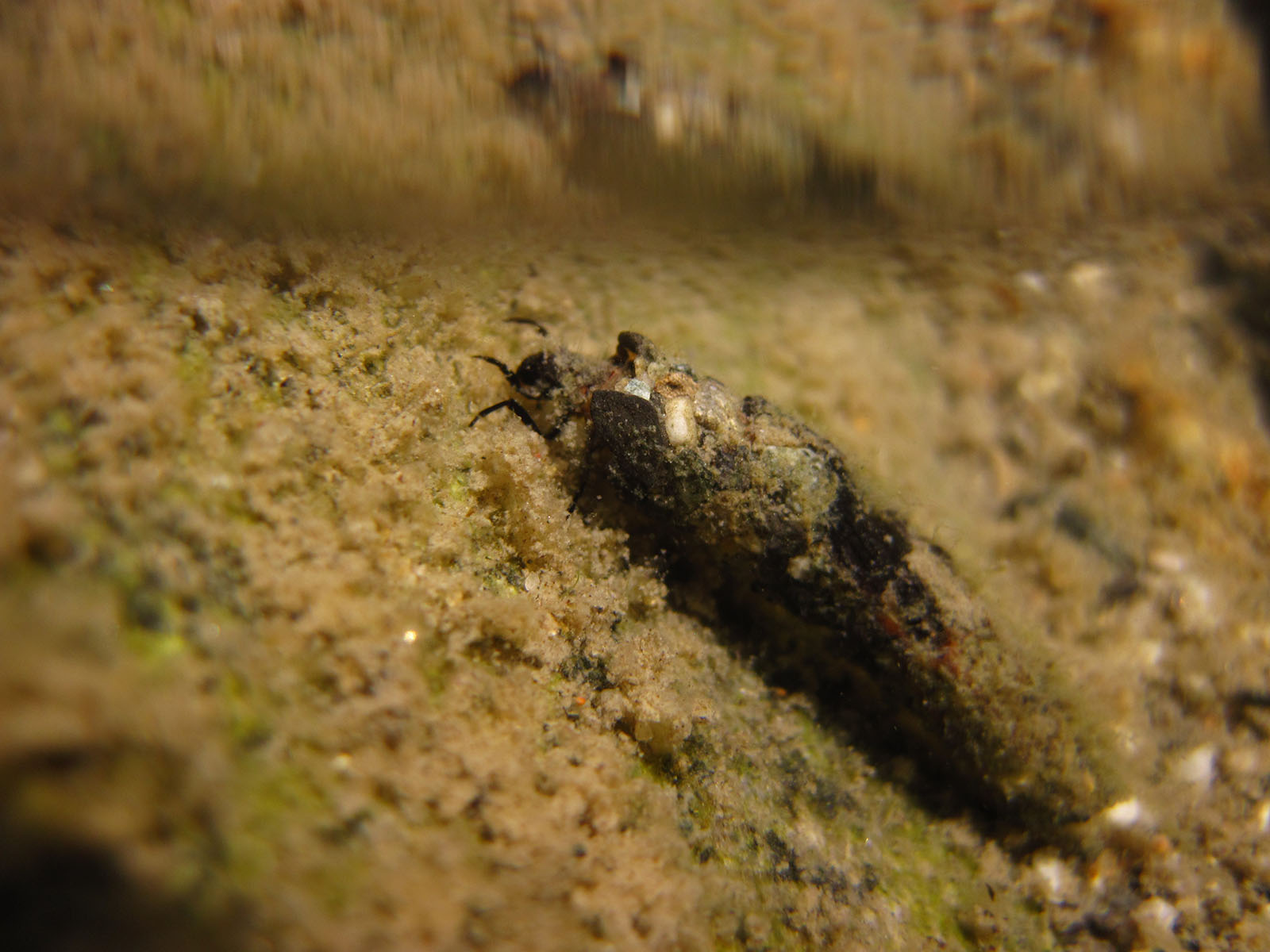
caddisfly larva
We do not often consider the bugs in our day-to-day lives, but that is exactly what I have been doing for the past two years. As a master’s student at Western Washington University, I partnered with the National Park Service to analyze their long-term mountain lake benthic macroinvertebrate monitoring data. In 2008 the North Coast and Cascade Network, an inventory and monitoring network of the National Park Service, began a long-term monitoring study on a selection of mountain lakes in Mount Rainier National Park and North Cascades National Park Complex. From 2008-2022, they visited the same lakes every year at the same time and collected a sample of the macroinvertebrates (think caddisflies, midges, and dragonflies, among many others) from the shoreline of each lake. The goal of my project was to use this data to better understand the mountain lake ecology and how the lakes’ biotic communities are changing over time.
Mountain lakes in the Cascade Range are often on some form of protected land, but that does not make them free from anthropogenic disturbances. Winter ice cover duration is decreasing, and water temperatures are rising due to anthropogenic climate change, which changes how productive the lakes are and potentially what organisms can live in them. Additionally, many mountain lakes have been stocked with fish at some point. Most mountain lakes are naturally fishless and support unique communities of amphibians and benthic macroinvertebrates because of that. When fish are introduced to the lakes, they can be detrimental to certain species. Benthic macroinvertebrates are of particular interest due to their importance in the broader ecosystem as a prey item, their diversity, and their sensitivity to environmental changes.
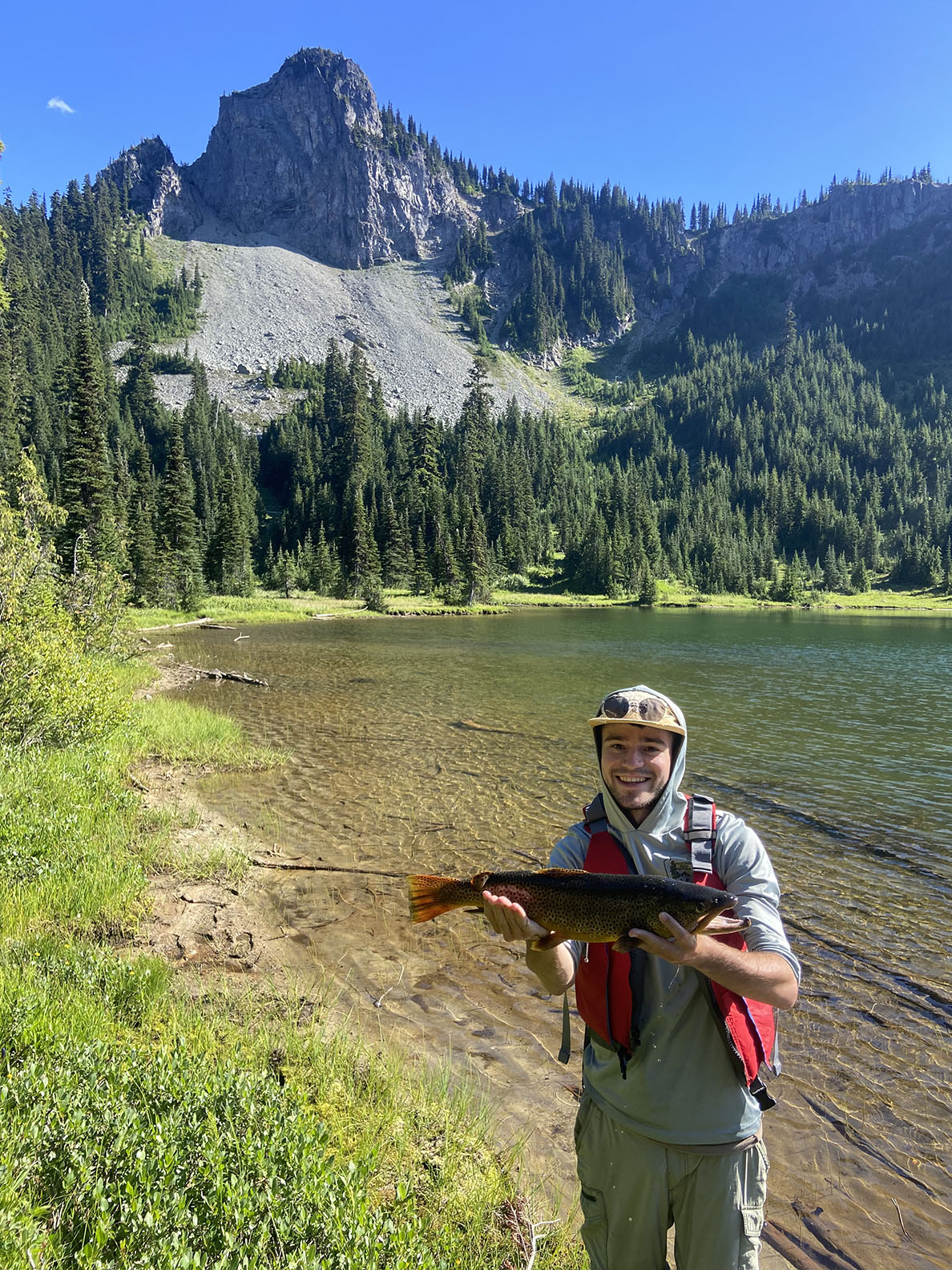
Upper Deadwood Lake Mt Rainier NP
Through analyzing how the benthic macroinvertebrate communities are changing year to year, I can help us begin to better understand what determines the biotic communities the lakes support and how they may change in the future. I also studied what taxa were affected by the presence of fish in mountain lakes and helped the parks evaluate the efficacy of their sampling protocols. Conducting this research was an incredible learning experience for me and provided valuable insights into the parks that may be beneficial to their monitoring and management practices moving forward. The WALPA scholarship helped get me out in the field for hands-on work in Mount Rainier and North Cascades and get this project over the finish line. For that I am extremely grateful and I thank everyone who supports WALPA.
Next time you are at a beautiful mountain lake, take a moment to take a closer look into the water and consider a bug.